
Exploring the historical evolution of gambling practices across cultures
The Origins of Gambling
The practice of gambling can be traced back thousands of years, with evidence emerging from ancient civilizations such as China, Mesopotamia, and Egypt. Archaeological findings suggest that the Chinese used rudimentary dice around 2000 BC, indicating that games of chance were integral to their culture. Similarly, the earliest known gambling artifacts from Mesopotamia, like dice and betting tokens, showcase how gambling has long been intertwined with social activities and rites. These ancient forms set the foundation for a practice that would evolve through the ages, leading to the popularity of platforms like oreelscasino-uk.com/.

In ancient Egypt, gambling was not only a pastime but also a way to engage in spiritual beliefs. Egyptians played various games that incorporated elements of chance and strategy, often betting on outcomes related to agriculture, warfare, and even the afterlife. Historical texts and artifacts reveal that gambling was deeply embedded in their society, serving both entertainment and ritualistic purposes. This blend of leisure and spirituality in gambling foreshadows its role in other cultures as they emerged.
The Romans and Greeks also embraced gambling, viewing it as a form of entertainment that was often associated with social gatherings and military exploits. Roman soldiers reportedly played games of chance to relieve stress, while the Greeks established betting on athletic contests, particularly during the Olympic Games. This transition from private gambling to public betting on events further demonstrates the significant cultural shift towards organized gambling, laying the groundwork for modern practices.
The Role of Gambling in Cultural Practices
Across various cultures, gambling has been utilized as a means to strengthen social bonds. For instance, in many Native American tribes, gambling served not only as entertainment but also as a method to resolve disputes and foster community relations. Traditional games often involved elements of skill and chance, allowing participants to engage in friendly competition while reinforcing community ties. These practices highlight how gambling can function beyond mere betting, serving as a catalyst for social cohesion.
In Asian cultures, gambling practices often intertwine with traditional festivals and rituals. The Lunar New Year in China, for example, features games that encourage family participation, creating a festive environment where gambling becomes a shared experience. The significance of luck, associated with various deities, adds depth to the act of gambling, as people believe that their fortunes are influenced by spiritual elements. Thus, gambling extends beyond the games themselves to reflect deeper cultural beliefs and traditions.
Moreover, the emergence of gambling as a source of revenue for governments in many cultures has added a layer of complexity to its role. As countries sought to regulate and tax gambling, it became an avenue for economic development. This shift not only changed the perception of gambling but also influenced the way societies interacted with it, blurring the lines between entertainment and commerce.
The Impact of Technology on Gambling Evolution
The evolution of technology has drastically transformed gambling practices, particularly in the last few decades. The invention of the internet ushered in a new era, giving rise to online gambling platforms that allow players to engage from the comfort of their homes. This transition has made gambling more accessible than ever before, breaking geographical barriers and creating a global community of players. With mobile technology now prevalent, gambling apps have further revolutionized the industry, allowing users to participate in games anytime and anywhere.
Additionally, technological advancements have led to the introduction of sophisticated gaming systems and algorithms that enhance the overall gambling experience. Virtual reality, for instance, offers immersive environments that replicate the atmosphere of traditional casinos. Players can engage in high-stakes games while enjoying interactive features that make the experience more engaging. This shift towards technologically-enhanced gambling also raises discussions about responsible gaming and the importance of regulations to ensure player safety.
Furthermore, the integration of blockchain technology is beginning to reshape the gambling landscape, promoting transparency and security. Cryptocurrencies are becoming a preferred method of transaction, offering anonymity and reducing transaction costs. This financial innovation could potentially lead to a more inclusive gambling environment, allowing players from various backgrounds to participate without the barriers associated with traditional banking methods.
Legal and Ethical Considerations in Gambling
The legal framework surrounding gambling varies significantly across cultures, often reflecting the values and beliefs of societies. In many Western nations, gambling is heavily regulated, with laws designed to protect consumers and ensure fair play. The establishment of licensing bodies and regulatory frameworks has created safer environments for players, addressing issues such as addiction and fraud. However, debates continue regarding the morality of gambling and its implications for society, sparking discussions about the role of government in regulating personal choices.
In contrast, some cultures view gambling as inherently negative, associating it with moral decay and social issues. Countries like Saudi Arabia have strict prohibitions against gambling, reflecting cultural and religious beliefs that reject chance-based activities. This dichotomy illustrates how gambling practices are often influenced by a society’s overarching values, leading to varied legal approaches and cultural acceptance.
As the gambling landscape evolves, addressing ethical concerns is paramount. The proliferation of online gambling has raised alarms about addiction and the accessibility of gaming to vulnerable populations. Ongoing discussions aim to balance the enjoyment of gambling as a recreational activity with the need to protect individuals from potential harm. Establishing responsible gambling practices is crucial for fostering a healthier gaming environment across cultures.
Contemporary Gambling Trends and Future Directions
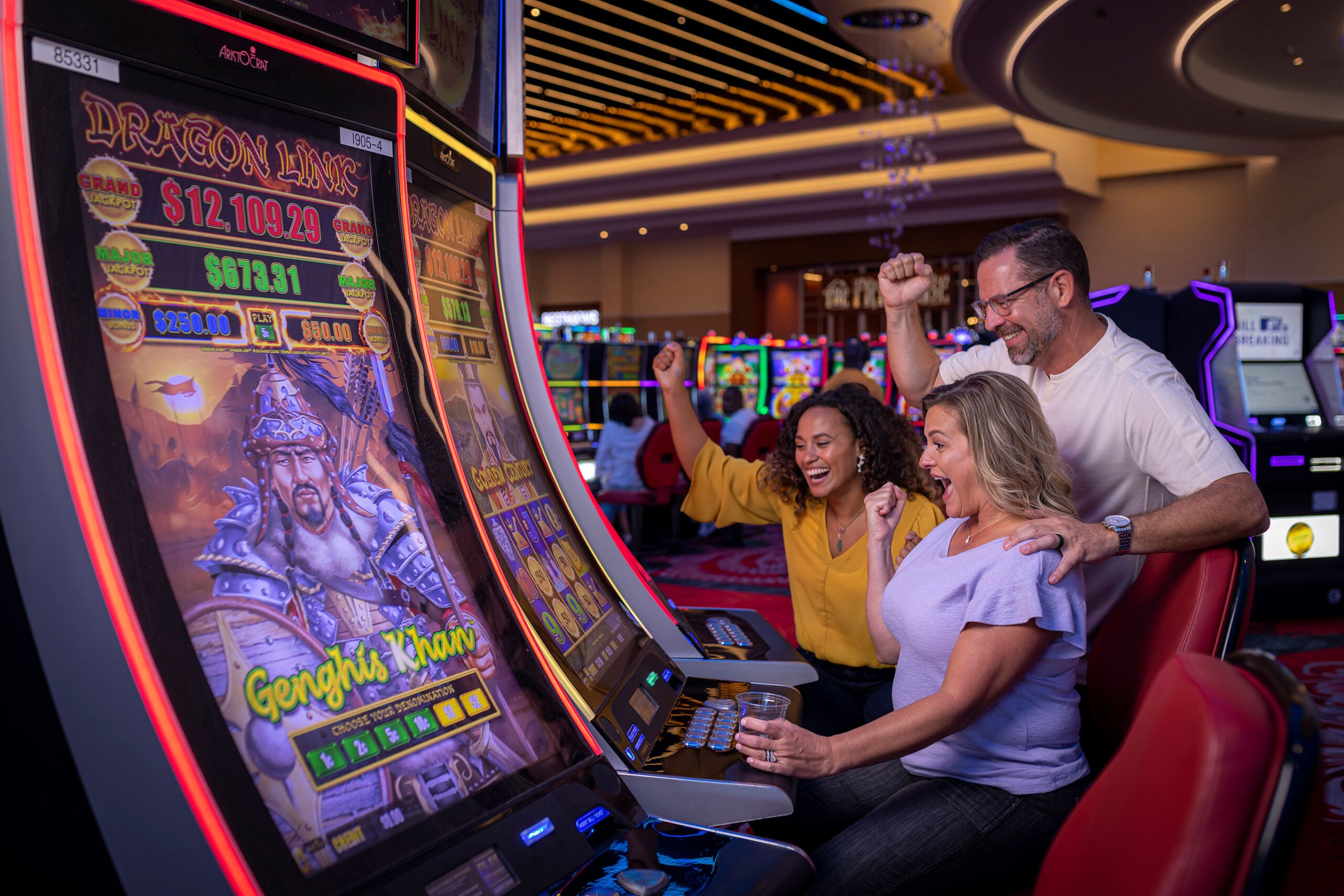
In the contemporary landscape, gambling continues to evolve, with trends indicating a blend of traditional practices and modern innovations. The growth of eSports betting illustrates how new forms of entertainment are being incorporated into gambling practices, appealing to younger generations. This trend signifies a shift in how gambling is perceived, from a mere pastime to a multifaceted industry that integrates technology, culture, and entertainment.
Moreover, the rise of social gambling platforms has introduced a more casual approach, allowing users to gamble without financial stakes. This shift fosters a community-oriented experience, encouraging interaction and engagement among players. As these platforms gain popularity, they highlight a significant change in the gambling narrative, emphasizing fun and socialization over high-stakes gambling.
As we look to the future, the integration of artificial intelligence in gambling is poised to further revolutionize the industry. AI technology can analyze player behavior, providing personalized gaming experiences that enhance user satisfaction. This advancement may also contribute to responsible gaming efforts by identifying problematic behaviors early on, ensuring a safer environment for all players. As the industry continues to grow and adapt, understanding the historical context of gambling practices remains essential in shaping a sustainable future.
OReels Casino UK exemplifies the contemporary evolution of gambling. With its diverse library of games, including high-quality slots and live dealer options, it caters to a wide range of players. Fully licensed by the UK Gambling Commission, OReels ensures a safe and reliable gaming environment. The platform’s user-friendly mobile app and various payment options reflect modern gambling trends, making it accessible and convenient for all. As the industry progresses, OReels Casino continues to embrace innovative practices while prioritizing player safety and enjoyment.
In conclusion, the historical evolution of gambling practices across cultures reveals a complex interplay of social, technological, and ethical factors. From ancient civilizations to the modern digital landscape, gambling has consistently reflected societal values and adaptations. As the industry continues to change, understanding its rich history offers valuable insights into the future of gambling worldwide.